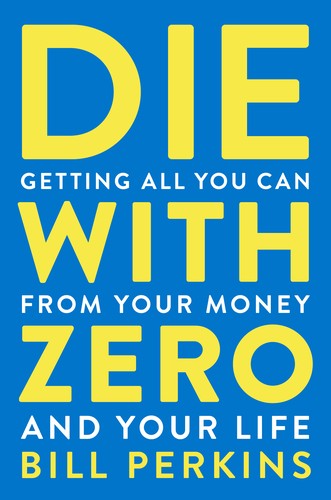
Young, you have health and time but little money. Mid-career, you have money and health but no time. Older, you may finally have money and time — and less health to enjoy them with. Die With Zero argues that a good life comes from balancing these three across every stage, instead of maximising one of them by default.
Health is the multiplier
Health makes every experience better and makes many possible at all. That’s why Bill Perkins treats it as more valuable than money: investing in it now — food, fitness, sleep, the activities you love — raises the value of everything that comes after.
Free time is worth money
If time is your bottleneck, spending money to get it back is often the best purchase available: paying for help, a shorter commute, a lighter workload. A dollar that buys you an afternoon with your family can be worth more than a dollar invested.
Don’t live on autopilot
The biggest threat to the balance is drift — working and saving out of habit long after it stopped serving you. The book’s fix is deliberate choice: at every stage, ask what this season of life is for and spend accordingly.
- What can you do now that you won’t be able to do later?
- What one investment in your health would improve everything after it?
- Where would spending money buy back time you’d actually use?
The Die With Zero podcast is full of people who hit the moment where autopilot stopped working — and what they did next.