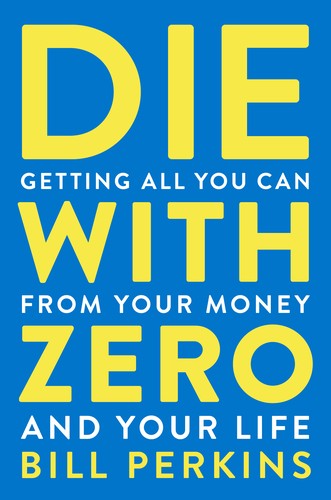
When you invest money, you expect dividends: small payments that keep arriving long after the original investment. Bill Perkins argues that experiences work the same way. A trip, a reunion, a first concert with your kid — each one keeps paying you back every time you think about it, tell the story, or look at the photos. He calls these memory dividends.
Why earlier is better
Dividends compound with time. An experience you have at 30 pays memory dividends for decades; the same experience at 75 pays for far fewer years — and you may not be able to do it at all. That is the uncomfortable math behind “someday”: putting off an experience doesn’t just delay it, it shrinks the total value you get from it.
How to collect more of them
- Do the things that have a deadline first. Some experiences are only possible with a certain body, at a certain age, or while your kids still want to come along.
- Share them. Experiences with people you love produce memories you revisit together, which multiplies the return.
- Capture them. Photos, videos, journals and reunions are how you keep cashing the dividend.
- Count small ones too. A memory dividend doesn’t need a plane ticket. A standing Sunday dinner pays out for years.
The question to ask
Before you spend on a thing, ask what memories it will produce. Before you save for later, ask what experience you are postponing — and what it will be worth by the time you get to it.
On the Die With Zero podcast, almost every guest has a memory like this: the risk or the trip that still pays them back years later.